Closing the Knowing Doing Gap
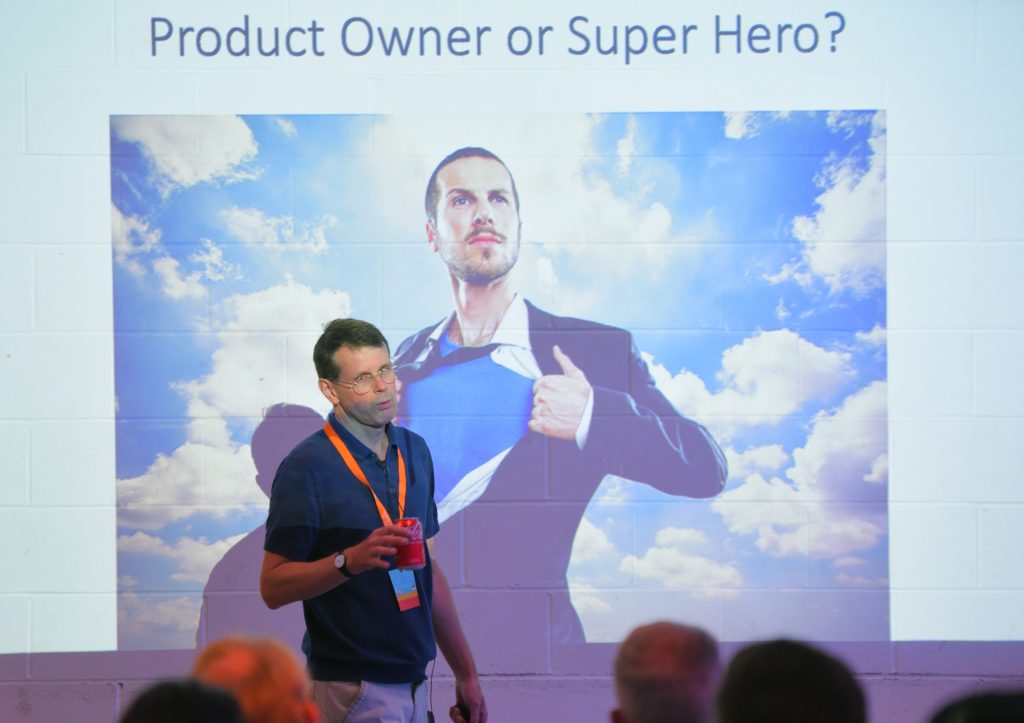
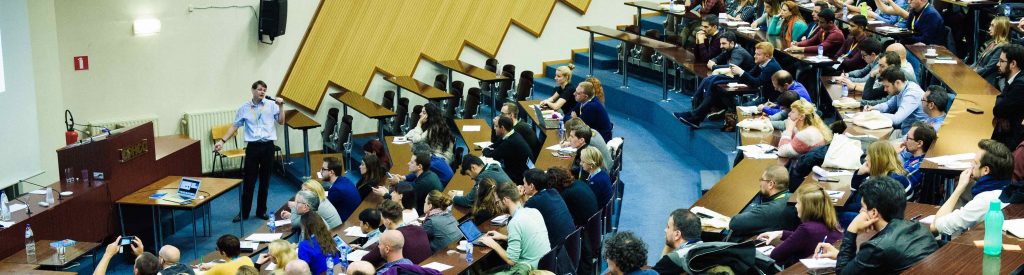
A presentation and workshop with Lise Hvatum at SPA 2008.
Background
One of the problems I regularly see in companies and organization is this: People in the organization know how they can do better but they don't do it. They may even have been trained in how to do things but they still don't do it.
I am not alone, Lise had observed similar things in her organization and in fact there is a book about exactly this problem: Knowing-Doing Gap by Pfeffer and Sutton (1999).
So we set out to find out for ourselves, and for our workshop participants what could be done about this gap. We named our session after the book - hopefully Pfeffer and Sutton don't mind - and set about creating an interactive workshop to investigate.
The workshop
We decided to use a technique known as dialogue sheets. As presenters we created an A1 sized worksheet, think of it a little like board game. We divided our audience into three groups of four people each and they completed the worksheet - or played the game if you prefer.
To start with Lise and I presented the problem then described the dialogue sheet. Each team then completed questions 1 to 4 before we broke for coffee. After coffee we did a short presentation including some ideas from the book and some of our own. The teams then completed questions 5 to 8. Finally each team described their findings to the whole group and we discussed the problem and the findings.
Pictures
- Team 1: at work, their final sheet
- Team 2: at work, their final sheet
- Team 3: at work, their final sheet
Materials
- Closing the Knowing Doing Gap presentation
- Dialogue sheet - acknowledgements to Quality in Business Education whom we based our sheet on.
Results
We made a list of the problems that lead to the knowing doing gap, and a list of possible solutions. These were the suggestions from the teams and we could only record the basic idea. The following lists give the suggested causes, and possible solutions.Problems that create the Knowing-Doing Gap
Or, why organizations don’t change
More than one team chose to focus on automated testing:
- People/Organization do
not see the benefits of changing
- Training is not enough
– it needs to be followed up to ensure the knowledge is
put into action, e.g. through coaching
- Limited resources in
organizations
- Individuals encounter a
steep learning curve
- Companies do not
provide the time required for learning
- Learning and change
need support.
More general points concerned:
- Lack of time to learn
and put learning into action
- Lack of time can be an
excuse hiding deeper issues
- Narrow minded companies
and people, e.g. if it is not Microsoft we don’t want to
know
- Individuals have
different experiences
- People are stressed –
makes it more difficult to learn and try new things
- People are not
receptive to change
- Benefits may not be
obvious so people reluctant to change
- People seek immediate
gratification, if the benefit is not immediate they will
not try something new
- Need to explain the
question, not just the answer
- Change means extra work
- People are afraid of
being seen as different
- Doing ‘as usual’ does
not need thinking – getting people out of autopilot mode
- Problems may be painful
but the pain is bearable, there is not enough pain to
trigger change
- Corporate processes
which must be followed
- Misaligned incentives -
Bonus bring about the wrong focus
- Lack of empowerment
among employees
-
Need to show progress
- Pressure to appear
to progress towards goal
- Tasks completed
when 90% done leave work to be done
- Pressure to appear
to progress towards goal
- Homeostatis: pressure for systems to stay the same
- Process given priority over intuition
Suggestions for surmounting the Knowing-Doing Gap
- Pay attention to the
gap and work hard to fill it
- Involve people
personally - Help them see the benefit, provide feedback
and rewards
- Trust individuals
-
Build a network of people
and knowledge
- Relationships built
on trust
- Work on your
relationships
- And use your relationships
- Relationships built
on trust
- Walk the walk: follow your own advice and suggestions
- Evolve as you go – use retrospectives
- Create a learning culture: a safe environment and
management leadership
- Share knowledge – lunch time brainstorming sessions
- Discuss problems with colleagues
- Make a date and pose the problem before hand so
they can think about them in advance
- Discussions are important for ideas and encouragement before action
- Make a date and pose the problem before hand so
they can think about them in advance
- Prove your ideas
- Provide working examples
- Use metrics to convince managers
- Provide working examples
- Ask managers for practical advice - Be specific in
what you ask for
- Create a sense of urgency
- Motivate people and get their commitment
- Sometimes you need formal authority: if so ASK
- Visualise, plan, educate, lead
- Be braver
- JFDI – Just have Fun Doing It
More about dialogue sheets
We based our sheet on the one used by Quality in Business Education - more information here.
Another source of information was the Royal Institute of Technology (KTH) in Sweden who, we believe, invested the sheets. Some more information in this paper.
I originally came across dialogue sheets at a Knowledge Cafe organised by David Gurteen.